
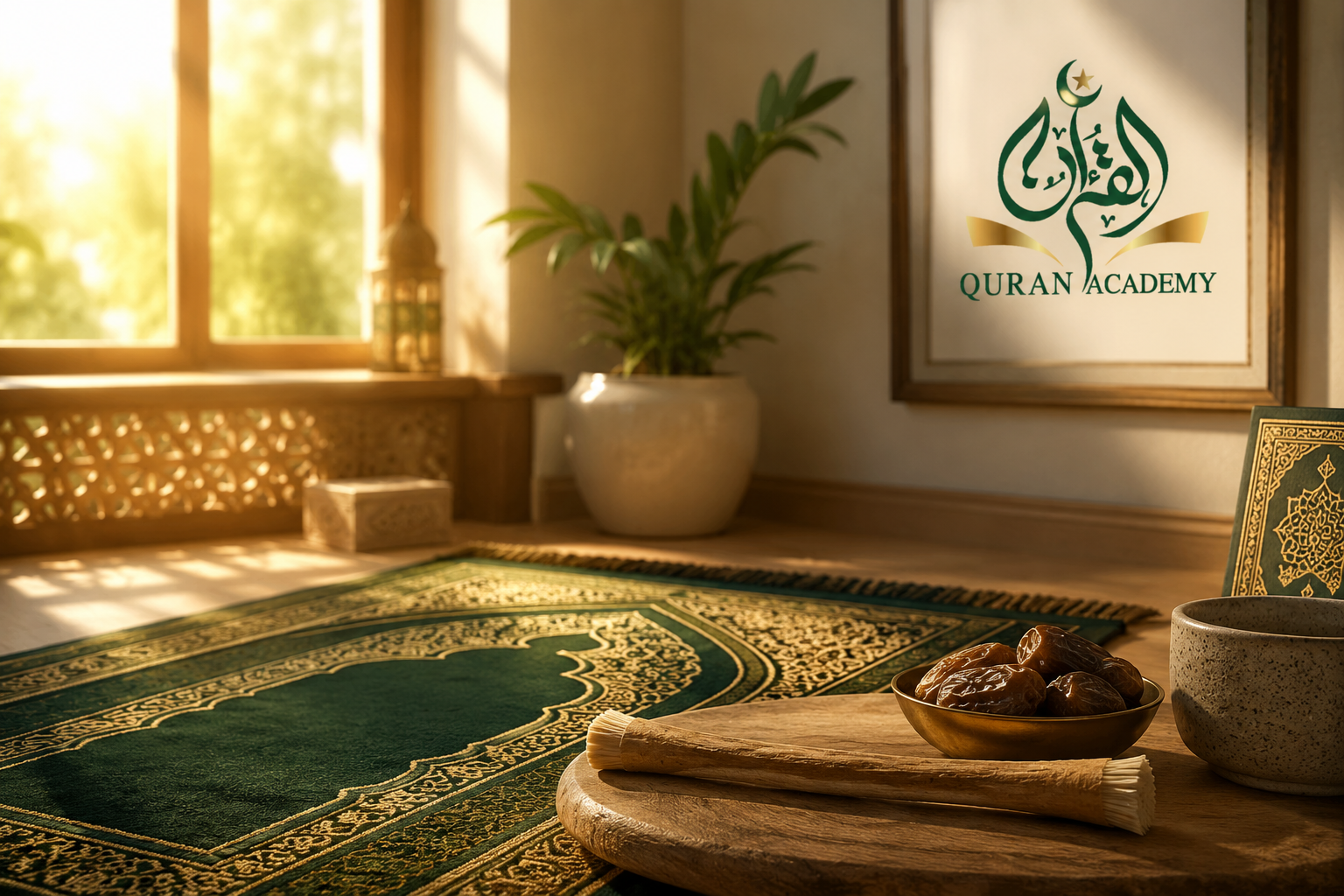
Boost Your Day with These 5 Sunnah Habits
In the fast-paced, often stressful environment of the modern world, finding balance between physical health, mental clarity, and spiritual peace can feel like an impossible puzzle. Yet, over 1,400 years ago, a perfect blueprint for a holistic, productive, and mindful life was established. This blueprint is found in the Sunnah Nabi (the way of the Prophet).
Whether you are a busy professional in New York, a student in London, or a parent in Sydney, incorporating simple, daily Sunnah practices into your routine brings immense spiritual and physical blessings. This comprehensive guide serves as your (Content Map) to understanding how to seamlessly integrate these timeless habits into your contemporary lifestyle.
What is Sunnah in Islam?
Before diving into the habits, it is essential to answer: what is sunnah in islam? In Islamic terminology, the Sunnah refers to the practices, teachings, habits, and silent approvals of the Prophet Muhammad (peace be upon him). While the 5 pillars of Islam (Faith, Prayer, Charity, Fasting, and Pilgrimage) form the mandatory foundation of a Muslim’s faith, the Sunnah provides the beautiful architecture of daily living. It is the practical application of the Quran, demonstrating how to live a life that is pleasing to Allah.
The 5 Importance of Sunnah
Understanding the “why” behind the actions is crucial. Here is the 5 importance of Sunnah in a believer’s life:
Divine Love: The Quran states, “Say, [O Muhammad], ‘If you should love Allah, then follow me, [so] Allah will love you and forgive you your sins.'” (Quran 3:31).
Perfecting Character: The Prophet (PBUH) was sent to perfect good moral character, offering the ultimate role model for humanity.
Protection and Wisdom: The Sunnah acts as a safeguard, providing immense wisdom in handling daily trials, relationships, and personal health.
Multiplier of Rewards: Performing mundane tasks (like eating or sleeping) with the intention of following the Sunnah transforms everyday routines into acts of rewarded worship.
Community Unity: When Muslims around the world practice the same daily habits, it fosters a profound sense of global brotherhood and sisterhood.
The Core: Boost Your Day with These 5 Sunnah Habits
While scholars have compiled lists of over a 100 Sunnah of Prophet Muhammad (PBUH), starting small is the key to consistency. By focusing on these five foundational habits, you can radically transform the energy and purpose of your day.
1. The Morning Spiritual Anchor: Waking Early and Fajr
Long before modern self-help gurus praised the “5 AM club,” the Prophet Muhammad (PBUH) supplicated: “O Allah, bless my Ummah in their early mornings.” Waking up early to perform the Fajr prayer sets a spiritual tone for the entire day. It grounds you, provides moments of pure silence before the world wakes up, and fills your morning with Barakah (divine blessings).
2. The 1/3 Rule of Eating
The modern world struggles immensely with diet culture and overconsumption. The Sunnah provides a remarkably simple, scientifically backed approach to healthy eating. The Prophet (PBUH) advised filling the stomach with one-third for food, one-third for drink, and leaving one-third for air. This practice prevents lethargy, aids digestion, and promotes mindfulness at the dinner table. Furthermore, always start meals with “Bismillah” (In the name of Allah) and eat with your right hand.
3. Smiling as Charity (Sadaqah)
You do not need a large bank account to be charitable in Islam. The Prophet Muhammad (PBUH) said, “Your smile for your brother is a charity.” In a world where people are increasingly isolated behind screens, sharing a cheerful, pleasant expression with colleagues, family, and strangers is an effortless act of emotional intelligence that brings significant spiritual rewards and softens hearts.
4. Dental Hygiene: The Use of the Siwak (Miswak)
Maintaining physical cleanliness is half of faith. The Prophet (PBUH) highly emphasized the practice of brushing and washing the mouth for freshness and health, specifically using the Siwak (a natural, antibacterial twig from the Salvadora persica tree). He used it upon waking, before prayers, and before entering his home. Today, integrating the Siwak (or maintaining rigorous brushing habits with the intention of Sunnah) ensures excellent oral hygiene and continuous reward.
5. Evening Reflection and Sleeping on the Right Side
A productive day actually begins the night before. The Sunnah of sleeping involves a comprehensive “wind-down” routine. Perform Wudu (ablution) before bed, dust off your sleeping area, and lie down on your right side facing the Qiblah. Mentally forgive those who have wronged you during the day to clear your heart of grudges, and recite the prescribed evening Adhkar (remembrances) such as Ayatul Kursi. This ensures a peaceful, restorative sleep protected by angels.
Expanding Your Routine: A Deeper Dive into Sunnah Lifestyles
If you want to move beyond the basic 5 and perhaps aim for 10 sunnah of prophet muhammad or even seek out a comprehensive sunnah list pdf for your family, you can categorize these habits into different spheres of life.
Sunnah of Social Interactions
The Prophet (PBUH) was the epitome of excellent character, compassion, and emotional intelligence.
Greeting with Salam: Initiating and returning the greeting “Assalamu Alaikum” (Peace be upon you) spreads peace and security.
Visiting the Sick: Showing genuine concern for those who are ill, regardless of their faith, builds strong community bonds.
Fulfilling Covenants: Being impeccably trustworthy and honoring your agreements was a hallmark of the Prophet’s character, known as Al-Amin (The Trustworthy) even before prophethood.
Sunnah of Physical Activity
There is a misconception that spirituality requires neglecting the physical body. On the contrary, the Prophet (PBUH) said, “The strong believer is better and more beloved to Allah than the weak believer.”
Walking: He walked extensively and with purpose.
Sports: He actively encouraged archery, horseback riding, and swimming, emphasizing their benefits for physical prowess, focus, and survival skills. There are even authentic accounts of him engaging in friendly wrestling.
Sunnah of Continuous Learning
Whether you are reading the Quran daily, studying a 20 sunnah of prophet muhammad in urdu translation, or attending English lectures, seeking knowledge is a lifelong Sunnah. Reciting the Quran regularly not only strengthens faith but provides a profound sense of tranquility and clarity amidst modern chaos.
Summary of Daily Sunnahs for Quick Reference
| Category | Sunnah Habit | Benefit |
| Morning | Waking before dawn, Fajr prayer | Sets a spiritual tone, brings Barakah (blessings). |
| Dietary | The 1/3 rule, saying Bismillah | Prevents overeating, ensures mindful consumption. |
| Social | Smiling, saying Salam | Acts as charity, builds emotional intelligence. |
| Hygiene | Using the Siwak (Miswak) | Purifies the mouth, pleases the Lord. |
| Nighttime | Wudu, sleeping on the right side | Restorative sleep, spiritual protection. |
Frequently Asked Questions (People Also Ask)
While there are hundreds of Sunnahs, five highly emphasized daily practices include: 1) Using the Siwak for oral hygiene, 2) Smiling at others as an act of charity, 3) Sleeping on the right side after performing Wudu, 4) Eating according to the one-third rule (food, water, air), and 5) Starting all permissible actions with “Bismillah” (In the name of Allah).
The 7-7-7 rule is a renowned Islamic parenting philosophy, often attributed to Ali ibn Abi Talib. It advises parents to divide their child’s upbringing into three stages:
First 7 years: Play with them, showing boundless love and affection.
Next 7 years: Teach and discipline them, instilling Islamic morals and boundaries.
Final 7 years: Befriend them, treating them as young adults, consulting them, and building mutual respect.
The only female name explicitly mentioned in the Quran is Maryam (Mary), the mother of the Prophet Isa (Jesus). She holds an incredibly high and revered status in Islam, and an entire chapter of the Quran (Surah Maryam – Chapter 19) is named after her, highlighting her piety, chastity, and devotion to Allah.
According to an authentic Hadith recorded in Sahih Bukhari and Sahih Muslim, the Prophet Muhammad (PBUH) stated that Allah created the Prophet Adam (peace be upon him) with a height of 60 cubits (approximately 90 feet or 27.5 meters). The Hadith also mentions that people in Paradise will enter it in the physical form of Adam.
Deepen Your Understanding with Quran Academy
Incorporating Sunnah habits into your daily routine is a lifelong, beautiful journey. Small, consistent changes can lead to monumental shifts in your productivity, mental well-being, and most importantly, your connection with Allah.
To truly master these habits, understanding the Quran and the life of the Prophet (PBUH) is essential. If you are looking for structured, professional, and engaging Islamic education for yourself or your children, we invite you to explore our programs.
Take the next step in your spiritual journey today:
Explore our programs: Visit Quran Academy
Start learning for free: Book a Free Trial
Connect With Us:
Contact Us Page: Get in Touch
WhatsApp: +201501039206
Instagram: @quran.academy1111
TikTok: @quranacademyofficiall
Facebook: Islamic Quran Academy



I used to be recommended this blog by my cousin. Iam not certain whether or not this publish is written by meansof him as nobody else know such distinctive about my problem.You are amazing! Thank you!