
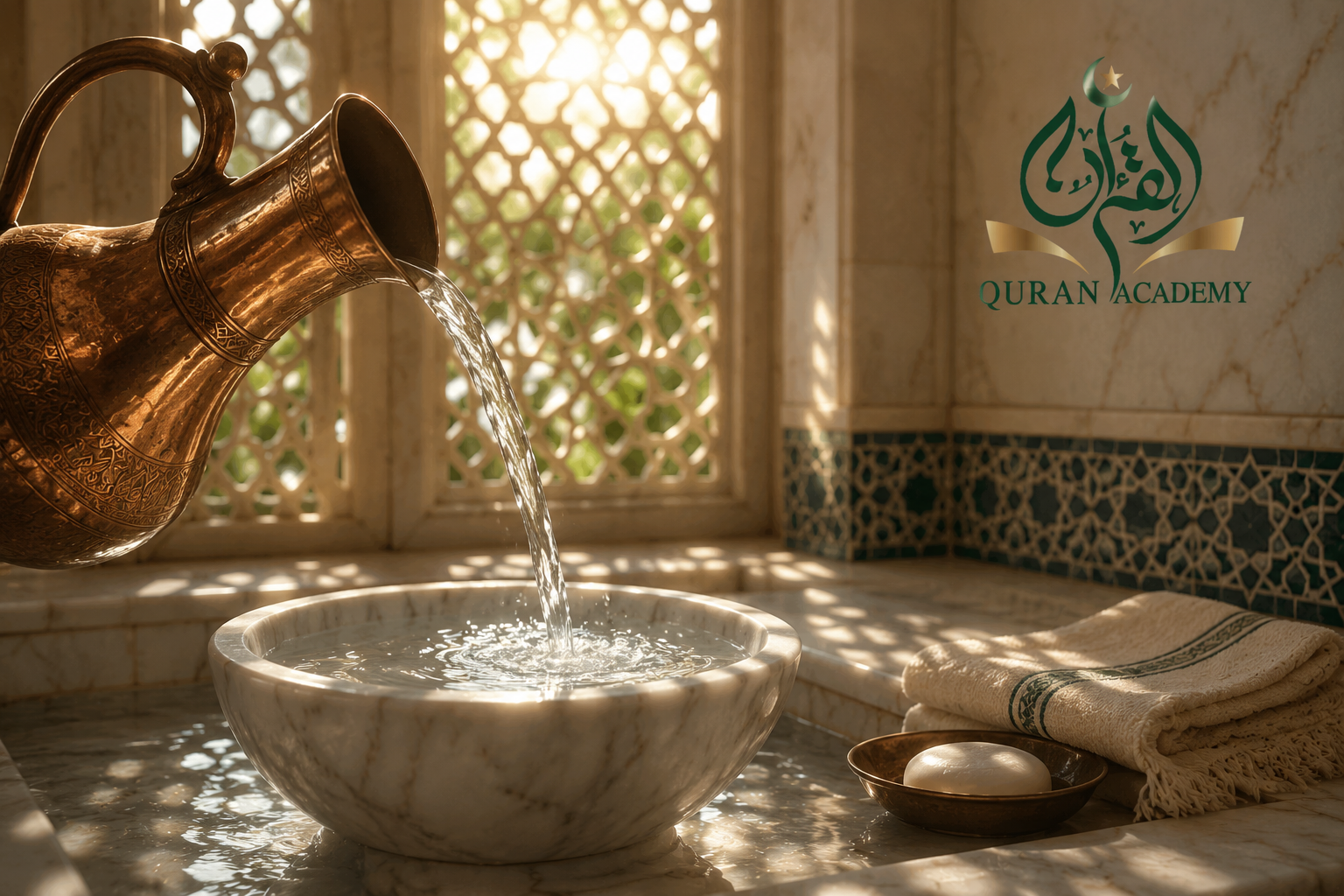
Understanding Al-Tahara Practices in Islam: A Complete Guide
In Islam, the concept of purity is not merely about physical hygiene; it is a profound spiritual state and a fundamental pillar of faith. The Prophet Muhammad (peace be upon him) famously declared, “Purity is half of faith” (Sahih Muslim). This beautiful tradition highlights that achieving both outer and inner cleanliness is essential for a Muslim’s spiritual journey.
Without proper purification, foundational acts of worship—such as the daily prayers (Salah) or touching the Holy Quran—are considered invalid. Whether you are a new Muslim learning the basics, a parent looking to teach tahara in islam for kids, or someone seeking to deepen their understanding of Islamic jurisprudence, this comprehensive guide will walk you through everything you need to know about Al-Tahara.
What is Al-Tahara? Meaning and Significance
To grasp the essence of these practices, we must first look at the linguistic roots.
Tahara meaning in Arabic: The word الطهارة (Al-Tahara) comes from the root word Tahara, which means to be clean, pure, or free from dirt and impurities.
Taharah meaning in English: In Islamic terminology, it translates to “Ritual Purity.” It is a comprehensive term that encompasses physical cleanliness, ritual purification of the body, and the spiritual purification of the heart and soul.
The Importance of Taharah in Islam
The importance of taharah in islam cannot be overstated. It is a prerequisite for worship. Allah says in the Quran: “Indeed, Allah loves those who are constantly repentant and loves those who purify themselves.” (Quran 2:222).
Prerequisite for Worship: Salah (prayer), Tawaf (circumambulation of the Kaaba), and handling the Mushaf (Quran) require a state of Tahara.
Spiritual Cleansing: The physical act of washing symbolizes the washing away of minor sins.
Discipline and Mindfulness: Performing ablution multiple times a day instills a profound sense of routine, discipline, and constant readiness to stand before the Divine.
Health and Hygiene: Long before modern science understood germ theory, Islam mandated washing hands, maintaining oral hygiene (via the Miswak), and full-body bathing, promoting excellent communal health.
The 3 Types of Taharah in Islam
When studying Islamic jurisprudence (often found in comprehensive texts like a kitab al-taharah pdf), scholars generally categorize purification into three distinct levels. Understanding these 3 types of taharah in islam is crucial for every believer.
1. Physical Purity (Taharat al-Khabath / Najasa)
This type involves removing tangible, physical impurities (Najasa) from three areas: your body, your clothing, and your place of prayer. Common physical impurities include:
Urine and feces (human and animal).
Flowing blood.
Pus and vomit.
The saliva of dogs.
Pork and its derivatives.
How to purify: Physical impurities are typically removed by washing the affected area with pure water until the color, smell, and taste of the impurity are gone. Islam also mandates Istinja—the thorough cleaning of private parts with water (or toilet paper if water is unavailable) after using the restroom.
2. Ritual Purity (Taharat al-Hadath)
This is an unseen, ritual state of impurity that prevents a person from performing certain acts of worship. It is divided into two categories:
Minor Ritual Impurity (Hadath Asghar): Caused by using the restroom, passing wind, deep sleep, or losing consciousness. It is purified by Wudu (Ablution).
Major Ritual Impurity (Hadath Akbar): Caused by marital intimacy, the emission of seminal fluid, menstruation (Hayd), and post-childbirth bleeding (Nifas). It is purified by Ghusl (Full Ritual Bath).
3. Spiritual Purity (Taharat al-Batin)
The highest level of Tahara is the purification of the heart and soul. This involves cleansing oneself from spiritual diseases such as Shirk (polytheism), arrogance, envy, malice, and showing off. True Tahara is achieved when the outer physical cleanliness matches an inner purity of intentions.
How to Perform Tahara in Islam: Practical Methods
Depending on your state of ritual impurity, Islam prescribes specific methods to return to a state of purity.
1. Wudu (Minor Ablution)
Wudu is required to lift the state of minor ritual impurity.
Steps:
Intention (Niyyah): Make the intention in your heart to perform Wudu. Say “Bismillah” (In the name of Allah).
Hands: Wash both hands up to the wrists three times.
Mouth & Nose: Rinse the mouth three times, then sniff water into the nose and blow it out three times.
Face: Wash the entire face (from the hairline to the chin, and ear to ear) three times.
Arms: Wash the right arm up to and including the elbow three times, then the left arm three times.
Head & Ears: Wipe wet hands over the head (front to back and front again) once, and wipe the inside and outside of the ears once.
Feet: Wash the right foot up to and including the ankle three times, ensuring water reaches between the toes. Repeat with the left foot.
2. Ghusl (Major Ablution / Full Bath)
Ghusl is required to lift the state of major ritual impurity.
Steps:
Intention: Make the intention in your heart to perform Ghusl for purification. Say “Bismillah”.
Wash Hands and Private Parts: Wash the hands, then thoroughly wash the private parts to remove any physical impurity.
Perform Wudu: Perform a complete Wudu (as described above). You may delay washing the feet until the end.
Pour Water Over the Head: Pour water over the head three times, ensuring the water reaches the roots of the hair and the scalp.
Wash the Entire Body: Pour water over the right side of the body, then the left side, ensuring that water touches every single part of the skin.
3. Tayammum (Dry Ablution)
Islam is a religion of ease. If pure water is completely unavailable, or if using water would cause severe illness or harm, believers are permitted to perform Tayammum using clean earth or dust.
Steps:
Make the intention and say “Bismillah”.
Strike both palms gently onto clean earth, sand, or a dusty stone.
Blow off any excess dust.
Wipe the face entirely with the hands once.
Wipe the back of the right hand with the left palm, and the back of the left hand with the right palm.
| Purification Method | Used For | Core Action |
| Wudu | Minor Impurity (using restroom, sleep) | Washing specific limbs (face, arms, head, feet) |
| Ghusl | Major Impurity (intimacy, menstruation) | Washing the entire body including the scalp |
| Tayammum | When water is unavailable/harmful | Wiping face and hands with clean earth |
Teaching Tahara in Islam for Kids
Instilling the habits of purification in children early on is vital. When teaching tahara in islam for kids, keep it engaging and practical:
Lead by Example: Let them watch you perform Wudu. Children naturally mimic their parents.
Focus on Hygiene First: Teach them proper Istinja (cleaning after using the toilet) and the importance of washing their hands.
Make it a Routine: Associate Wudu with transition times, like getting ready for bed or preparing to read a story about the Prophets.
Explain the “Why”: Tell them that Wudu is like putting on an invisible shield of light that Allah loves, rather than just a set of rigid rules.
Exceptions and Divine Concessions
Allah says in the Quran: “Allah does not intend to make difficulty for you, but He intends to purify you…” (Quran 5:6).
Travel and Cold Weather: Travelers and those in extreme cold who wear socks after performing a full Wudu are permitted to wipe over their socks (for up to 24 hours for a resident, and 72 hours for a traveler) instead of taking them off to wash their feet during subsequent Wudu.
Illness: If washing a wounded or burned limb will delay healing or cause harm, one may wipe gently over the bandage.
Women’s Cycles: Women experiencing menstruation or postpartum bleeding are entirely exempt from performing Salah and fasting. They are in a state of ritual impurity where worship is paused as a mercy, and they resume via Ghusl once the cycle ends.
Frequently Asked Questions (People Also Ask)
Al-Tahara is an Arabic term that translates to purity or cleanliness. In Islamic law, it refers to both physical hygiene (removing dirt and impurities from the body, clothes, and environment) and ritual purity (performing Wudu or Ghusl to be spiritually ready for acts of worship like prayer).
According to authentic Islamic traditions, the Prophet Muhammad (PBUH) named four women as the greatest women of Paradise (Jannah), serving as ultimate role models of purity, faith, and resilience. They are:
Maryam (Mary), the mother of Prophet Isa (Jesus).
Khadijah bint Khuwaylid, the first wife of Prophet Muhammad.
Fatimah bint Muhammad, the beloved daughter of the Prophet.
Asiya, the righteous wife of the tyrannical Pharaoh.
The 7-7-7 rule is a famous Islamic framework for raising children, often attributed to Ali ibn Abi Talib. It divides a child’s upbringing into three critical phases:
Ages 0-7: Play with them, showing them boundless love and affection.
Ages 8-14: Teach and discipline them, introducing Islamic morals, prayer, and boundaries.
Ages 15-21: Befriend them, treating them as trusted companions and advisors.
Perfect Your Worship with Quran Academy
Understanding taharah meaning in english and practicing it daily transforms ordinary hygiene into a profound act of worship. It prepares you to stand before Allah with a clean body, a focused mind, and a pure heart.
If you wish to delve deeper into Islamic Fiqh, study a kitab al-taharah pdf with a qualified teacher, or ensure your recitation of the Quran is perfected while in a state of purity, we invite you to join our global community of learners.
Start your spiritual journey with expert tutors today!
Explore our comprehensive courses: Visit Quran Academy
Begin learning for free: Book a Free Trial
Connect With Us:
Contact Us Page: Get in Touch
WhatsApp: +201501039206
Instagram: @quran.academy1111
TikTok: @quranacademyofficiall
Facebook: Islamic Quran Academy




wow, awesome blog.Really looking forward to read more. Will read on…
This will be a excellent blog, might you be interested in doing an interview regarding how you developed it? If so e-mail me!
Sweet blog! I found it while surfing around on Yahoo News. Do you have any tips on how to get listed in Yahoo News? I’ve been trying for a while but I never seem to get there! Thank you
I appreciate your wordpress design, wherever would you down load it through?